
Dental Crowns Glen Waverley
A dental crown (often called a "cap") is a custom-made porcelain or ceramic cover that fits entirely over a compromised tooth. It restores the tooth's natural shape, size, colour, and structural strength.
Dental Crowns Overview & Restorative Dentistry
A dental crown (often called a 'cap') is a custom-made porcelain or ceramic cover that fits entirely over a compromised tooth. It restores the tooth's natural shape, size, colour, and structural strength. To safeguard a severely weakened tooth, your dentist creates and installs a crown. If a tooth has had root canal therapy or does not have enough healthy enamel to sustain a standard filling, you may require a dental crown.
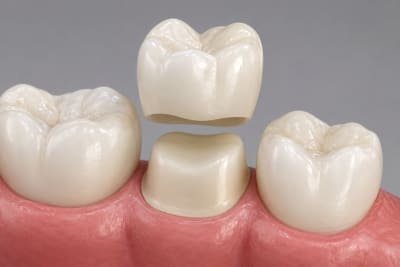
What is a Dental Crown (Tooth Cap)?
This can happen if:
- You have a very large, deep cavity or a massive old filling that is cracking
- You have a tooth that has cracked, broken, or split from chewing heavy foods
- Your tooth has recently been treated with a root canal and needs to be sealed safely
Dental crowns are a reliable, durable way to help protect a vulnerable tooth.
Signs & Symptoms You Need a Dental Crown
You might need a dental crown if you experience localized structural issues or discomfort such as:
- Sudden, sharp pain when biting down or chewing on a specific tooth
- A visible crack, fracture line, or missing chunk of enamel on a tooth
- A tooth that has become severely worn down due to chronic grinding or acid reflux
- A large, dark gray metal filling that has structural fractures appearing around it
- An severe discolouration or misshapen tooth that ruins the symmetry of your smile
If you suspect a cracked or weak tooth, it's worth speaking with your dentist. Treatment can help reinforce the tooth and reduce biting pain, and prevent the root from splitting beyond repair. Your dentist can help you decide if it’s the right option for you.
The Dental Crown Restoration Process
Before shaping your tooth, your dentist will carefully evaluate the root health and structural foundation. They may:
- Take digital X-rays to check that the root and surrounding bone are healthy
- Check for signs of internal nerve inflammation or decay beneath old fillings
- Discuss the best material options for your smile (such as durable zirconia or porcelain)
- Ensure any active decay is removed and built up with a solid base layer
What to Expect During the Dental Crown Procedure
Over two appointments (or one if using advanced same-day technology), your dentist will:
- Numb the tooth and surrounding gum tissue with a local anaesthetic
- Gently reshape and trim the outer layer of the tooth to make precise space for the crown
- Take a digital 3D scan or a physical mold of your prepared tooth
- Fit a natural-looking temporary crown over your tooth to protect it while your final crown is crafted
- Carefully bond your custom-made crown in place at your second appointment, adjusting it to match your bite.
The preparation appointment generally takes about 60 minutes, while the final fit takes only 20 to 30 minutes.
What Happens After Your Crown is Fitted?
You can leave the clinic and utilize your tooth normally after your permanent crown has been put in place. You just need to stay away from sticky or extremely hard meals for a few days if you have a temporary crown in between appointments to prevent it from unintentionally coming loose.
Benefits of Porcelain Dental Crowns
Dental crowns can look natural and can last many years with proper care. They can:
- help restore your ability to chew comfortably
- Hold a fractured or cracked tooth together so it doesn't split in half
- improve the appearance, alignment, and colour of a tooth
- Provide a long-lasting, highly durable alternative to large, repeated fillings
Potential Risks & Long-Term Crown Complications
On rare occasions, a crowned tooth can experience minor adjustments or issues over time. If this happens, your dentist may:
- Adjust the bite slightly if the crown feels a fraction too high when you chew
- Re-cement the crown if it ever becomes loose due to sticky food or aging cement
Recovery & Maintenance Outlook for Teeth Caps
Downtime is usually minimal for a dental crown. You might feel a tiny bit of temporary gum sensitivity or minor temperature awareness for 2 to 3 days, which resolves very quickly.
How Can I Maintain and Support Crown Healing?
Caring for a dental crown is straightforward. These basic steps will keep your crown strong and protect the underlying natural tooth structure:
- Brush twice daily and floss gently around the base of the crown to keep the margin clean.
- Avoid biting down on exceptionally hard items like ice cubes, pens, or hard candy.
- Wear a protective nightguard if you have a habit of grinding your teeth during sleep.
- Visit your dental team regularly for checks and cleanings to ensure the seal stays intact.
Dental Crown FAQ & Care Queries
What can I expect in terms of discomfort?
Most patients find the procedure comfortable. Since the procedure is usually carried out under local anaesthesia, the area is numbed with local anaesthetic, and most patients feel only slight pressure or vibration. The tooth may feel a little sore for a day or two after the numbness goes away, but this is readily treated and goes away quickly.
Benefits of Dental Crowns Glen Waverley
Need to see a dentist?
Our experienced team is ready to help you achieve and maintain a healthy, beautiful smile.