The EK Dental Surgery Blog
Stay updated with evidence-based tips, professional advice, and the latest dental breakthroughs from our principal clinical team.
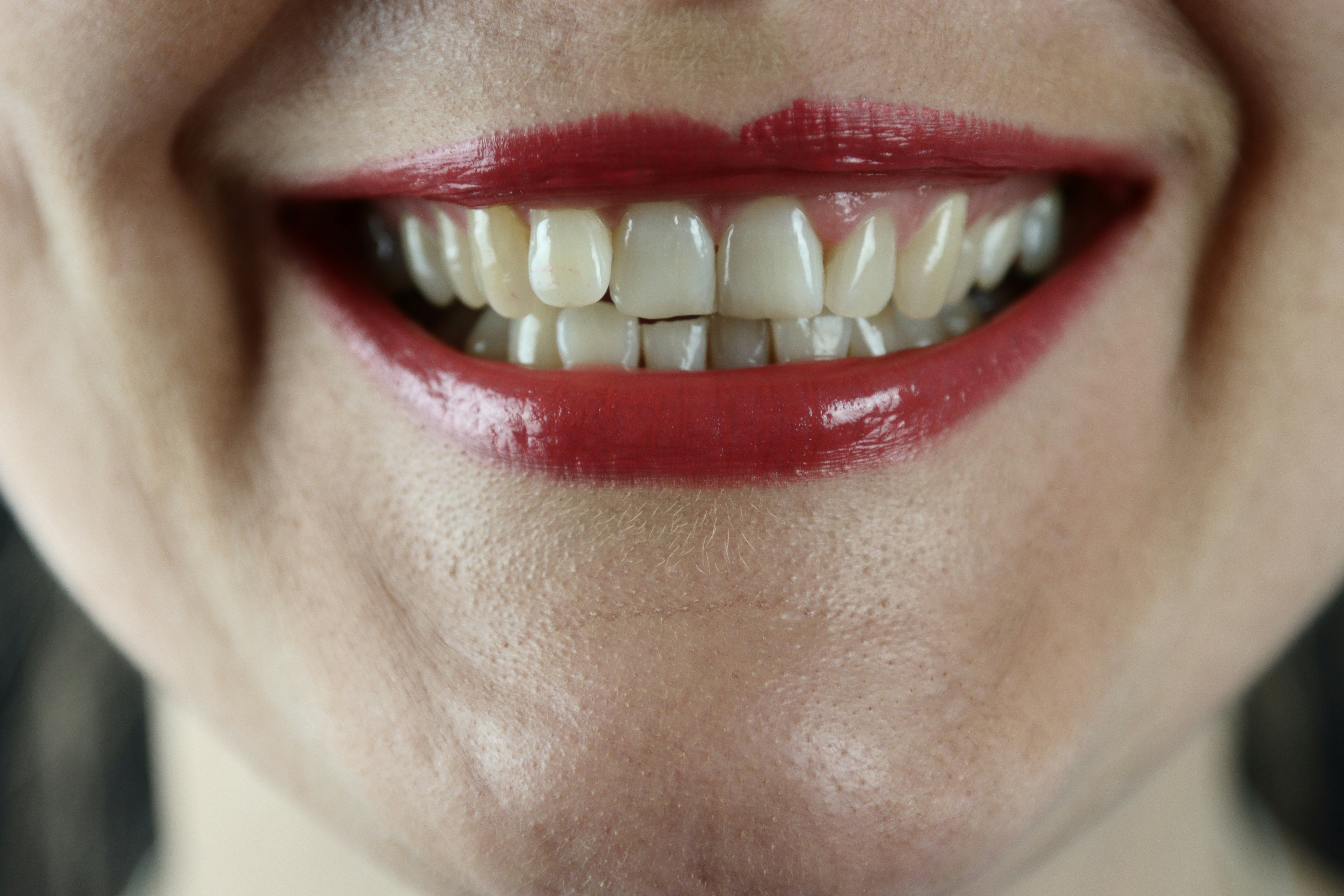
Tooth Stains: What Causes Them and How a Professional Clean Can Help
What causes tooth stains, how a scale and clean helps with surface staining, and when other options may suit. From EK Dental Surgery, Glen Waverley.
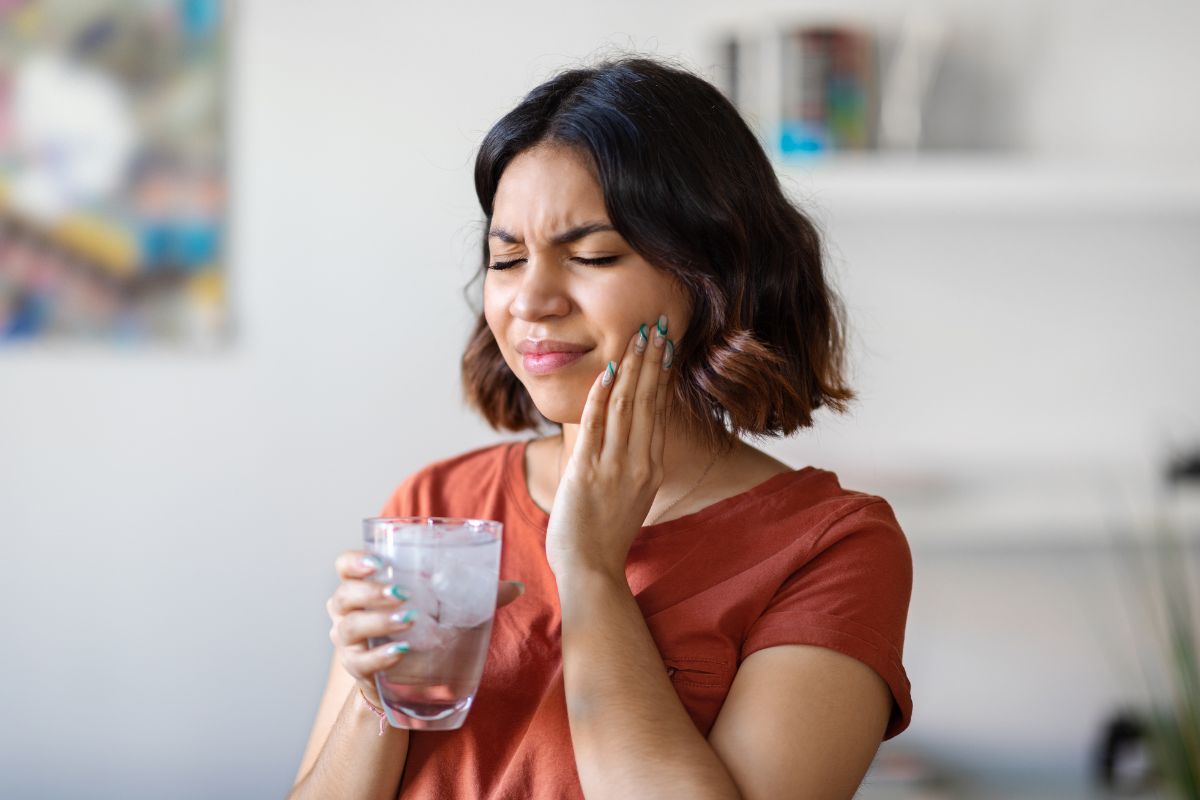
Sensitive Teeth: Causes, Treatment, and Prevention
Teeth sensitivity occurs when the enamel deteriorates, exposing the sensitive dentin underneath. Learn common causes, effective treatments, and prevention tips.
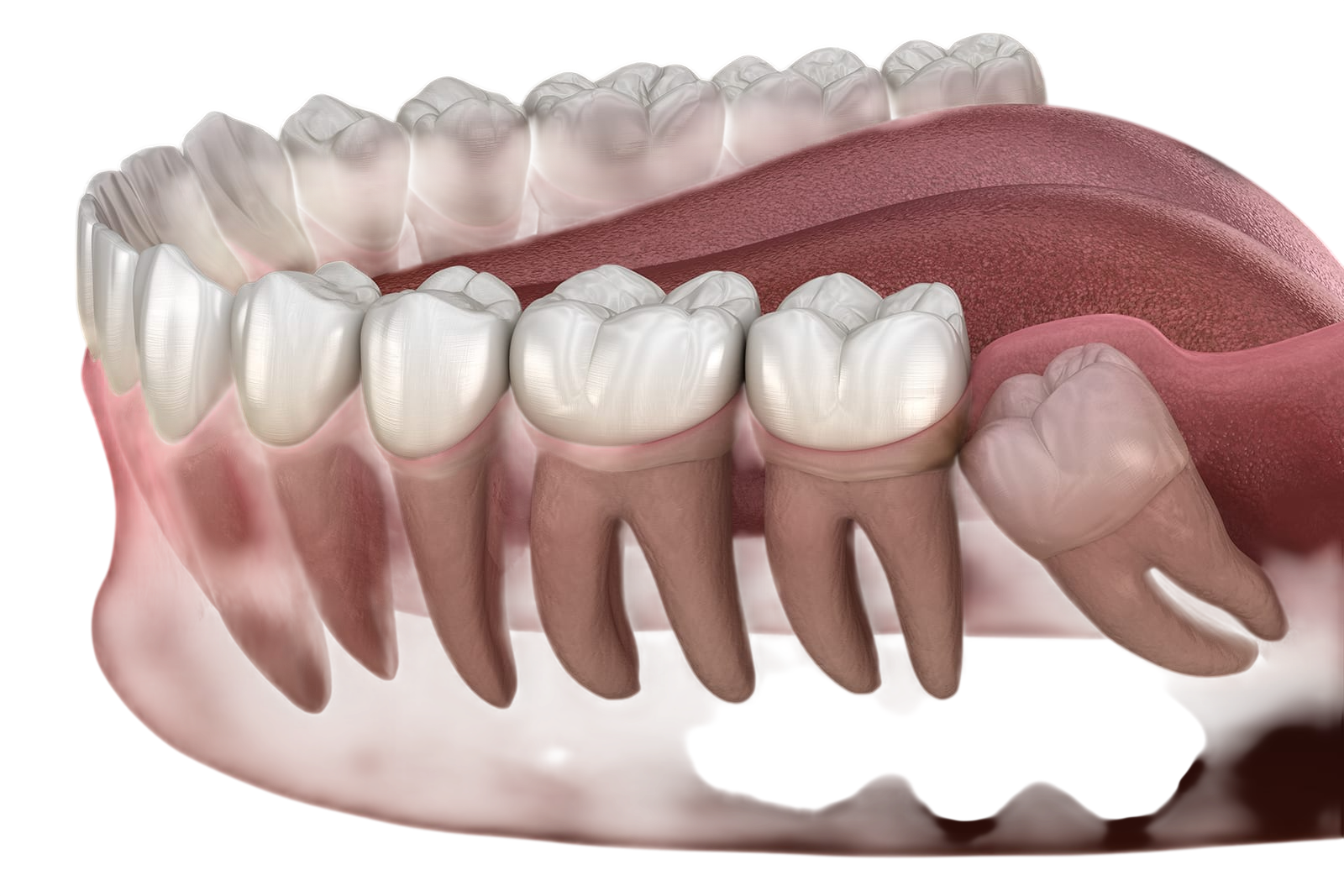
Everything You Need to Know About Wisdom Teeth: Pain, Removal, and Recovery
Wisdom teeth are the last molars to come in. Learn about common symptoms, evaluation criteria, extraction procedures, and recovery aftercare.

Living With All-on-4: Eating, Cleaning and What to Expect
What is life like with All-on-4 implants? A Glen Waverley dentist explains what you can eat, how to clean them, healing time and when to book a check-up.

All-on-4 Dental Implants: Are They Right for You?
A Glen Waverley dentist explains how All-on-4 full-arch implants work, who they suit, and how they compare to dentures and individual implants.
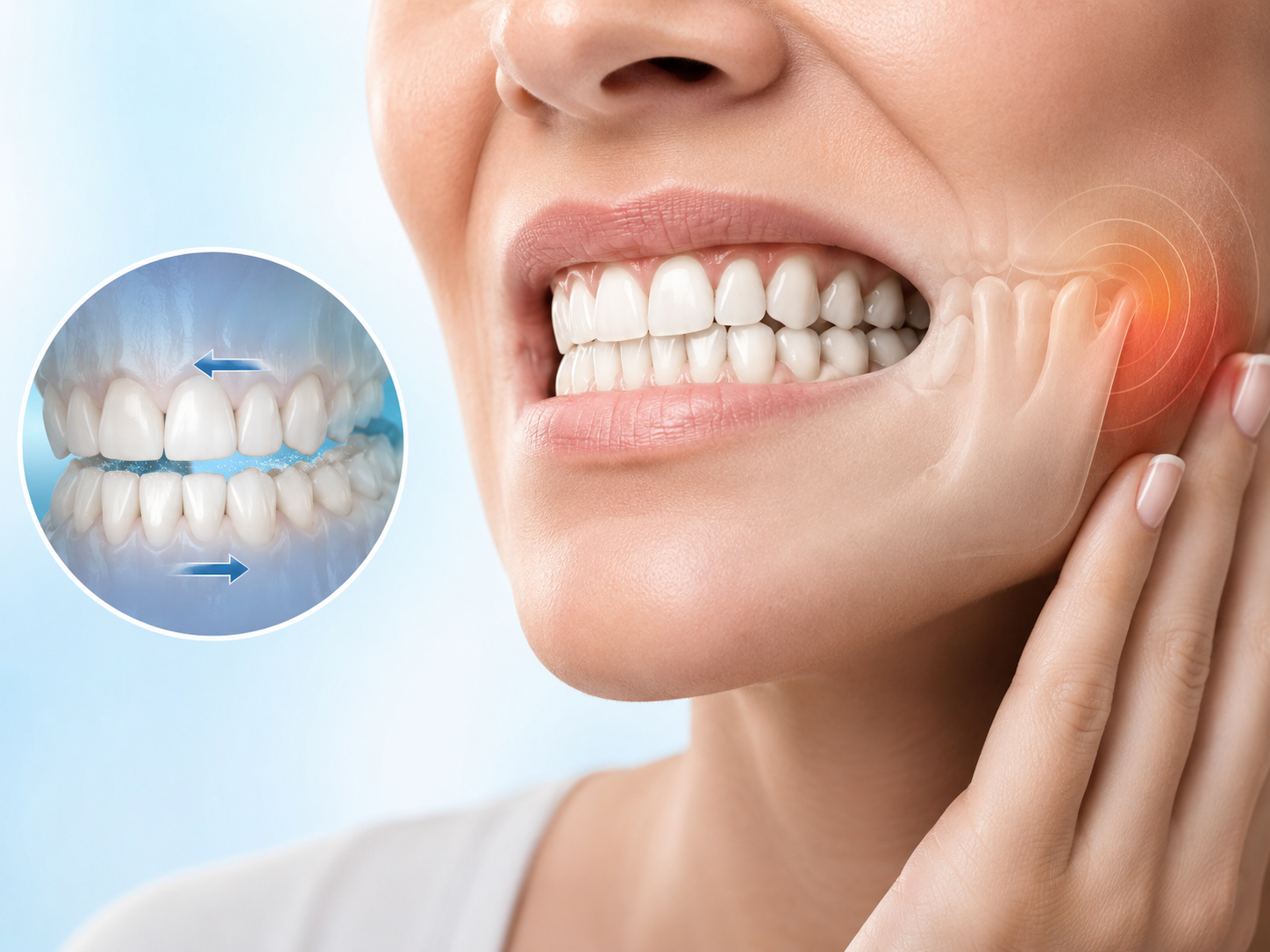
Teeth Grinding (Bruxism) Care | EK Dental Glen Waverley
Notice jaw soreness or worn teeth? Learn the signs, causes and management of teeth grinding (bruxism) with EK Dental Surgery in Glen Waverley. Book today.

How to Floss Properly: What Actually Works (and What Doesn't)
A dentist's guide to flossing properly — correct technique, floss vs water flosser vs interdental brushes, and how often to floss.
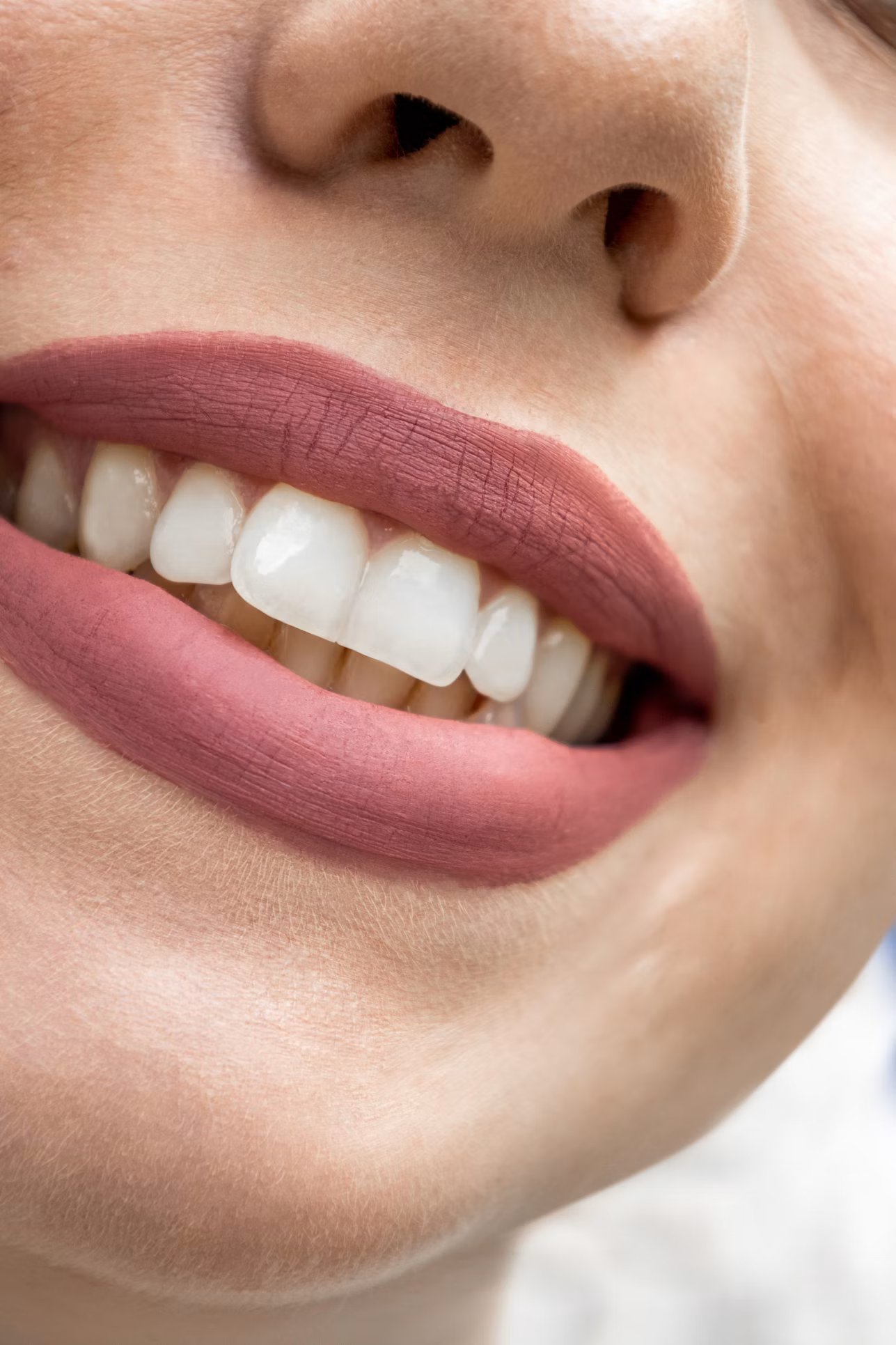
Professional Teeth Whitening: What Actually Works and What's Safe?
Wondering if professional teeth whitening is safer and more effective than DIY kits? Our Glen Waverley dentists explain what works, what's safe, and why.

Why Regular Dental Check-ups Matter More Than You Think
Preventative dentistry is more than just getting your teeth cleaned—it’s an investment in your safety and dental wellness over the long term.

Cosmetic Dentistry: Safe Pathways to a Confident Smile
Modern aesthetic treatments are all about preserving natural tooth structure and achieving natural, beautifully radiant results safely.
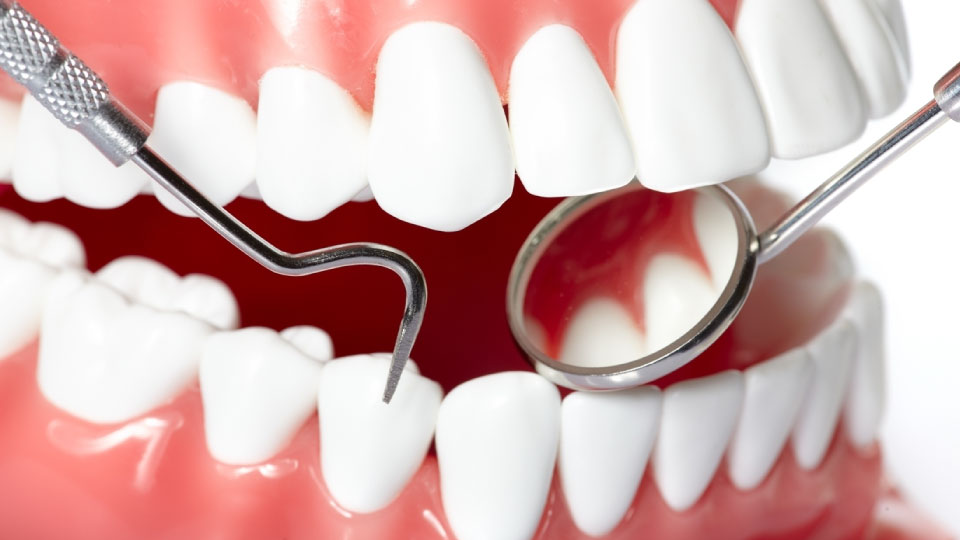
The Mouth-Body Connection: How Oral Health Impacts Overall Wellness
Emerging clinical research shows that the health of your mouth offers a direct window into the health of your entire systemic body.
Frequently Asked Questions
Q.How do I book a dentist appointment in Glen Waverley?
Call EK Dental Surgery on (03) 9887 8787 or use the online appointment request form.
Q.What happens at an initial dental consultation in Glen Waverley?
A first appointment usually includes a history review, examination of teeth and gums, discussion of symptoms and habits, and any required follow-up recommendations.
Q.Do you offer family dentistry in Glen Waverley?
Yes. EK Dental Surgery is a family-friendly dental practice for children, adults, and seniors.
Q.Do you provide same-day emergency dental appointments?
Yes. We offer same-day emergency dental appointments in Glen Waverley for urgent care needs.
Q.Do you offer wisdom tooth removal in Glen Waverley?
Yes. Wisdom tooth removal is a dedicated service we provide using advanced technology for a comfortable extraction.
Q.Do you provide dentures in Glen Waverley?
Yes. Dentures are a key service we offer as a removable tooth-replacement option.
Q.What is Pay No Gap at EK Dental Surgery?
It is a promotion for eligible new patients covering exam, scale and clean, and fluoride treatment for selected health funds including Medibank, Bupa and HCF.
Q.What is the Child Dental Benefits Schedule?
A government-supported dental benefit for eligible children aged 2–17, with basic treatment support over a two-year period.